
What do oral and maxillofacial surgeons do?
- Home
- Blog
Most people meet an oral and maxillofacial surgeon for the first time when their wisdom teeth need to come out. But this specialty covers far more: jaw alignment, facial injuries, implants, TMJ problems, cleft repair and even some cancers of the head and neck. Here's a clear guide to what these surgeons do and when you might need one.
Quick answer
- Oral and maxillofacial surgeons (OMFS) diagnose and surgically treat problems of the mouth, teeth, jaws, face and neck.
- They train as dentists first, then complete years of hospital-based surgical training.
- Common work includes wisdom tooth removal, dental implants, corrective jaw surgery, facial trauma and TMJ treatment.
- They are also trained to give sedation and general anaesthesia.
What "Maxillofacial" Means
"Oral" refers to the mouth. "Maxillofacial" comes from maxilla (the upper jaw) and facial. Together, the name describes a specialty that bridges dentistry and medicine, treating the hard and soft tissues of the mouth, jaws and face.
Training: Part Dentist, Part Surgeon
Oral and maxillofacial surgery is a recognised dental specialty, and its training is among the longest in dentistry.
- Dental degree first: every OMFS starts as a qualified dentist (for example DDS/DMD in the US, or BDS in India and the UK).
- Surgical training: in the US, this is a 4–6 year hospital residency alongside medical and anaesthesia teams. In India, it is a 3-year MDS in Oral and Maxillofacial Surgery.
- Medical degree in some cases: many surgeons also earn a medical degree (MD or MBBS), and in the UK and parts of Europe both degrees are required.
This mix means they understand both teeth and the wider medical picture, which matters for complex surgery.
What Oral and Maxillofacial Surgeons Treat
1. Wisdom Teeth and Difficult Extractions
Impacted wisdom teeth (teeth stuck under the gum or bone) can cause pain, infection, cysts or damage to nearby teeth. Oral surgeons remove these, as well as broken, deeply decayed or hard-to-reach teeth.
2. Dental Implants and Bone Grafting
Implants are titanium or ceramic posts placed in the jawbone to replace missing teeth. When there isn't enough bone, the surgeon can rebuild it with bone grafts or a sinus lift before placing the implant.
3. Corrective Jaw Surgery (Orthognathic Surgery)
When the upper and lower jaws don't line up, it can affect chewing, speaking, breathing and facial balance. Working with an orthodontist, the surgeon repositions the jaws to correct problems such as an underbite, overbite or open bite.
4. Facial Trauma
After road accidents, sports injuries, falls or assaults, oral and maxillofacial surgeons repair broken jaws, cheekbones, eye sockets and noses, as well as cuts to the face and mouth. Many work on hospital trauma on-call teams.
5. TMJ (Jaw Joint) Disorders
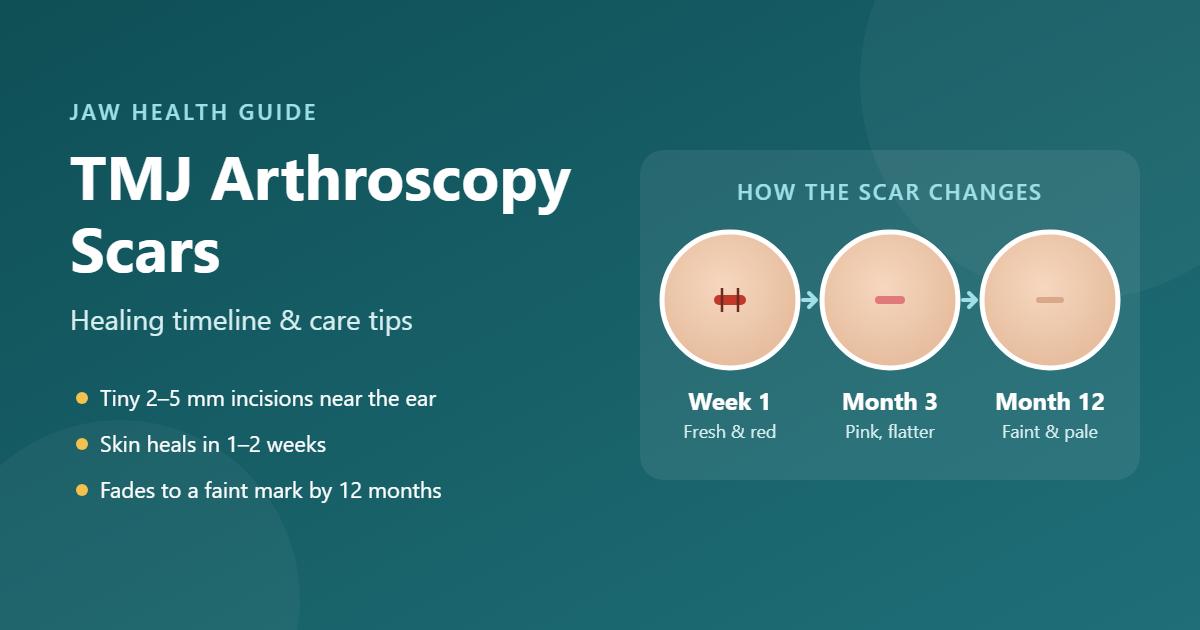
Most jaw joint problems are treated without surgery, using splints, medication and physiotherapy. When that isn't enough, surgeons may offer arthrocentesis (joint washing), arthroscopy, open joint surgery or, in severe cases, total joint replacement.
6. Oral Pathology, Cysts and Tumours
They diagnose and treat cysts, benign growths and suspicious lesions in the mouth and jaws, often starting with a biopsy. Some surgeons specialise further in head and neck cancer surgery and the reconstruction that follows.
7. Cleft Lip and Palate
As part of a cleft team, oral and maxillofacial surgeons help repair cleft lip and palate. This often includes bone grafting of the gum line and jaw surgery as the child grows.
8. Infections
Serious dental and facial infections can spread into the neck and become dangerous. Oral and maxillofacial surgeons drain abscesses and manage these infections, sometimes as emergencies.
9. Obstructive Sleep Apnea
For some patients with sleep apnea who don't do well with CPAP, moving the jaws forward (maxillomandibular advancement) can open the airway.
10. Facial Cosmetic Surgery
Some surgeons also offer cosmetic procedures such as chin surgery, cheek implants or facial contouring, depending on their training and local regulations.
Anaesthesia expertise: Oral and maxillofacial surgeons are trained to give local anaesthesia, IV sedation and, in many settings, general anaesthesia. That's why procedures like wisdom tooth removal can often be done comfortably in their clinic.
Oral Surgeon vs. Other Specialists
| Specialist | Main focus |
|---|---|
| General dentist | Check-ups, fillings, cleanings, root canals, simple extractions |
| Oral & maxillofacial surgeon | Surgery of the teeth, jaws, face and mouth, including complex extractions, implants, jaw surgery and facial trauma |
| Periodontist | Gum disease and the supporting tissues around teeth; also places implants |
| ENT surgeon | Ear, nose, throat, sinuses and voice box; some overlap in head and neck surgery |
| Plastic surgeon | Reconstructive and cosmetic surgery across the whole body, including the face |
When Should You See an Oral and Maxillofacial Surgeon?
- Pain, swelling or infection around a wisdom tooth
- You want dental implants or need bone grafting
- Your bite doesn't line up and it affects chewing, speech or breathing
- Jaw pain, clicking or locking that hasn't improved with other treatment
- A lump, sore or patch in your mouth that hasn't healed in 2–3 weeks
- A facial or jaw injury
Rapid swelling of the face or neck, difficulty swallowing or breathing, or a suspected broken jaw needs urgent care. Go to an emergency department straight away.
What to Expect at Your First Visit
- Medical history: your health, medications and any allergies.
- Examination: your mouth, jaws, face and bite.
- Imaging: X-rays such as an OPG, or a CBCT/CT scan for a 3D view.
- Treatment plan: options, risks, recovery time, anaesthesia choices and costs.
Frequently Asked Questions
Is an oral surgeon the same as an oral and maxillofacial surgeon?
In everyday use, usually yes. "Oral and maxillofacial surgeon" is the full title and reflects that the work extends beyond the mouth to the jaws, face and neck.
Is an oral and maxillofacial surgeon a doctor or a dentist?
Both, in a sense. They qualify as dentists first and then complete hospital surgical training. Many also hold a medical degree, and in some countries it is required.
Do I need a referral?
Many patients are referred by a dentist or doctor, but in many places you can book directly. Check with the clinic and your insurance provider.
Is oral surgery painful?
Procedures are done under local anaesthesia, sedation or general anaesthesia, so you shouldn't feel pain during surgery. Some soreness and swelling afterwards is normal and is managed with medication and rest.
The Bottom Line
Oral and maxillofacial surgeons are specialists in surgery of the mouth, jaws and face. Whether you need a wisdom tooth out, a missing tooth replaced, your bite corrected or a facial injury repaired, their combined dental and surgical training makes them the right expert for problems where teeth, bone and face meet.
Medical disclaimer: This article is for general information only and is not a substitute for professional medical or dental advice. Training requirements vary by country. Always consult a qualified healthcare provider about your own situation.