Oral and Maxillofacial Surgeon in Mumbai: What Do They Treat?
Are you looking for an oral and maxillofacial surgeon in Mumbai but unsure whether this is the right specialist for you? This type of surgeon assesses and treats problems affecting the mouth, jaws, face and nearby areas. A consultation can help you understand your condition and whether you need treatment, a referral or further tests.
Dr. Tofiq Bohra works with Maxillofacial Surgery India, a Mumbai-based practice that lists jaw and facial concerns among its areas of care. This guide explains the specialty so you can ask useful questions before booking.
What Is Oral and Maxillofacial Surgery?
Oral and maxillofacial surgery covers conditions of the mouth, jaw, face and neck. It can involve anything from an impacted tooth to a broken facial bone or a jaw that does not line up well. Some conditions are managed with advice or other care; others may need a procedure. The King’s College Hospital overview shows the range of problems treated in this specialty.
How is this different from a routine dental visit? A dentist can assess and treat many common tooth and gum problems. If a problem calls for specialist assessment or surgery, the dentist may refer you to an oral surgeon or an oral and maxillofacial surgeon. For example, an uncomplicated wisdom tooth may be handled by a dentist, while a difficult removal may call for a specialist. Source: NHS wisdom tooth guidance
What Conditions Can an Oral and Maxillofacial Surgeon Assess?
The work varies by surgeon and practice. The examples below describe the specialty as a whole. Ask a practice whether it treats your particular condition before you book.
Jaw pain and TMJ disorders
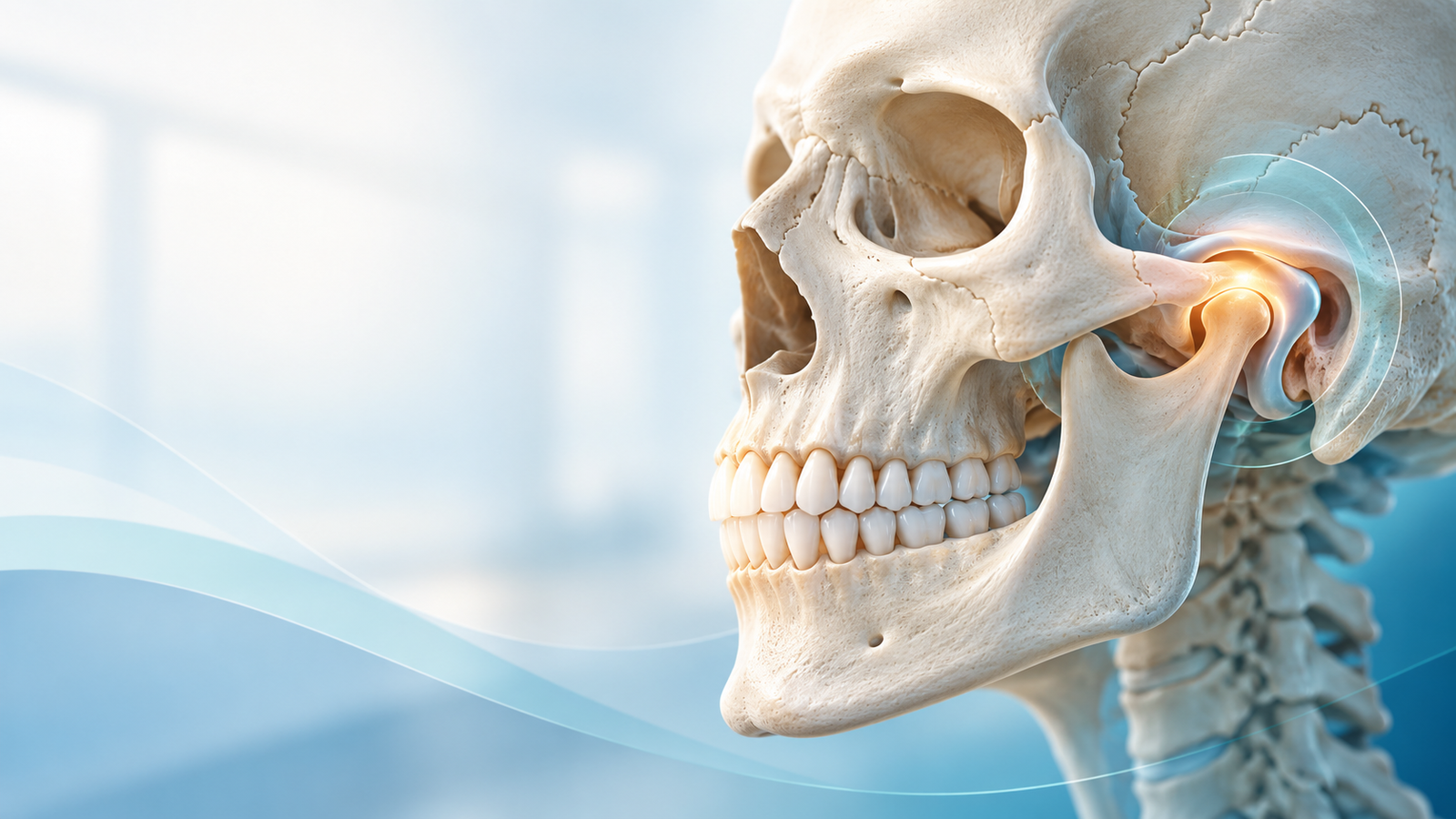
Jaw pain, locking or painful clicking may relate to the jaw joint, the chewing muscles or another cause. A clinician can examine you and decide what care fits the diagnosis. An assessment does not mean you will need jaw surgery. The National Institute of Dental and Craniofacial Research recommends starting with simpler care for many TMJ disorders.
Jaw position and bite concerns
Some people have difficulty biting or chewing because of the way their jaws are positioned. A specialist can assess the problem and explain whether treatment is suitable. Corrective jaw surgery is one option for selected cases, often planned with other dental care. Source: King’s College Hospital
Facial injuries and fractures
Oral and maxillofacial teams may treat broken jaw or facial bones, damage to teeth and cuts to the face. A serious facial injury needs prompt medical attention. Go to an emergency department rather than waiting for a routine clinic appointment. Source: Royal Devon NHS
Impacted wisdom teeth and other oral problems
A wisdom tooth can become trapped or partly covered by gum. Removal may be considered if it causes problems such as pain, infection or decay. A wisdom tooth that causes no problems may instead be monitored. Surgeons may also assess jaw cysts and other mouth conditions. Sources: NHS, King’s College Hospital
Cleft, facial reconstruction and growth concerns
Some maxillofacial teams assess cleft-related conditions, facial differences present from birth, or reconstruction after an injury or illness. The right team and treatment plan depend on the condition and the patient’s needs. Source: King’s College Hospital
When Should You Book a Consultation?
Consider a consultation when a dentist or doctor suggests specialist care, or when a mouth, jaw or facial problem keeps affecting daily life. Examples include ongoing jaw pain, trouble opening your mouth, a concern about jaw position, or a wisdom tooth that repeatedly causes symptoms.
If you have a suspected facial fracture after an accident, seek urgent medical care. If a tooth or gum problem comes with severe or worsening swelling, fever or feeling unwell, seek prompt dental or medical advice. Sources: Royal Devon NHS, NHS
What Happens at the First Appointment?
Your surgeon will need to understand the problem before suggesting a plan. Expect to discuss your symptoms, medical history and any treatment you have already tried. The clinician may examine your mouth, jaw and face and review existing scans or reports. Additional imaging may be recommended if it would help answer a question about your condition. For TMJ concerns, the NIDCR describes this history and examination as part of diagnosis.
Bring a list of medicines you take and any referral letter, reports or images you have. Before you leave, ask what the likely diagnosis is, which options are available and what should happen next.
How Do You Choose an Oral and Maxillofacial Surgeon in Mumbai?
A useful first step is to check whether the surgeon regularly sees patients with your specific concern. Someone seeking care for a facial injury may have different needs from someone with jaw pain or an impacted tooth.
At a consultation, ask:
- What is my diagnosis, and do I need any more tests?
- Which treatment options fit my case?
- What are the likely benefits, risks and recovery time of the proposed procedure?
- What happens if I wait or choose another option?
- Who will handle follow-up care?
You should have enough information to make a decision. For TMJ procedures that permanently change the jaw joint, teeth or bite, the NIDCR advises discussing alternatives and considering a second opinion.
About Dr. Tofiq Bohra and Maxillofacial Surgery India
Maxillofacial Surgery India describes a team that works across oral and maxillofacial surgery, including TMJ disorders, jaw surgery, facial injuries, cleft care and oral conditions. Its website identifies Dr. Tofiq Bohra as a surgeon associated with the practice. These areas give you a starting point for asking whether the team can assess your particular concern.
If you are researching an oral and maxillofacial surgeon in Mumbai, contact Maxillofacial Surgery India to ask about a consultation with Dr. Bohra. Share your main concern when booking so the team can advise on the appropriate appointment.
Frequently Asked Questions
1. What is the difference between a dentist and an oral and maxillofacial surgeon?
A dentist handles many common dental needs. An oral and maxillofacial surgeon assesses and treats a wider range of surgical problems involving the mouth, jaws and face. A dentist may refer a patient when specialist care is needed. Sources: King’s College Hospital, NHS
2. Does jaw pain always need surgery?
No. Jaw pain can have different causes, and many TMJ symptoms improve without surgery. A clinician can assess the cause and discuss suitable first steps. Source: NIDCR
3. Do all wisdom teeth need removal?
No. A wisdom tooth that is not causing problems is usually left in place and checked during routine dental visits. Removal may be discussed if it causes pain, infection, decay or another problem. Source: NHS
4. Can a maxillofacial surgeon treat facial injuries?
Yes. Maxillofacial teams assess injuries such as broken facial bones and cuts to the face. Seek urgent care for an injury rather than waiting for a routine appointment. Source: Royal Devon NHS
5. What should I bring to my first consultation?
Bring relevant referral letters, earlier scans or reports, a list of medicines and notes about your symptoms. Your clinician will use your history and examination to decide what further information is needed. Source: NIDCR
Ready to discuss your concern? Book a consultation with Dr. Tofiq Bohra to learn which next steps may be right for you.