Oral and Maxillofacial Surgeon in India: Which Problems Need Specialist Care?
An oral and maxillofacial surgeon treats conditions affecting the mouth, jaws and face. If you are searching for an oral and maxillofacial surgeon in India, the most useful starting point is your concern: what is happening, how urgently it needs attention, and which specialist treats that type of problem.
This guide explains where the specialty fits into care for jaw, facial and oral conditions. It also helps you plan a consultation if you live outside Mumbai and are considering Dr. Tofiq Bohra’s practice, Maxillofacial Surgery India.
What Does an Oral and Maxillofacial Surgeon Do?
Oral and maxillofacial surgery covers the mouth, jaws, face and related parts of the head and neck. Its scope includes certain injuries, jaw joint conditions, bite and jaw position problems, impacted teeth, cysts and some conditions present from birth. The King’s College Hospital guide gives an overview of this range.
The word surgeon describes the specialist’s field. A consultation does not mean you will have surgery. The clinician first needs to understand the problem, then explain whether observation, other care, a procedure or a referral is suitable.
Match Your Concern to the Right Type of Assessment
These examples can help you describe your concern when contacting a clinic. They are a guide to the specialty, not a diagnosis.
| Your concern | Why an assessment may help |
| Jaw pain, painful clicking or limited opening | A clinician can check whether the jaw joint, chewing muscles or another condition may be involved. |
| A jaw or bite that does not line up as expected | A specialist can assess function and explain whether corrective care should be considered. |
| A difficult or painful wisdom tooth | A dentist can assess the tooth and may refer you if specialist removal is needed. |
| A facial injury or suspected broken jaw | This needs prompt medical assessment, often through an emergency department. |
| A facial difference, cleft concern or need for reconstruction | A specialist team can assess the condition and discuss a plan suited to the patient. |
These are recognised areas of maxillofacial care. A practice’s services and each surgeon’s experience can differ, so confirm that they assess your specific condition before travelling. Sources: King’s College Hospital, Royal Devon NHS
Jaw joint pain needs a clear diagnosis
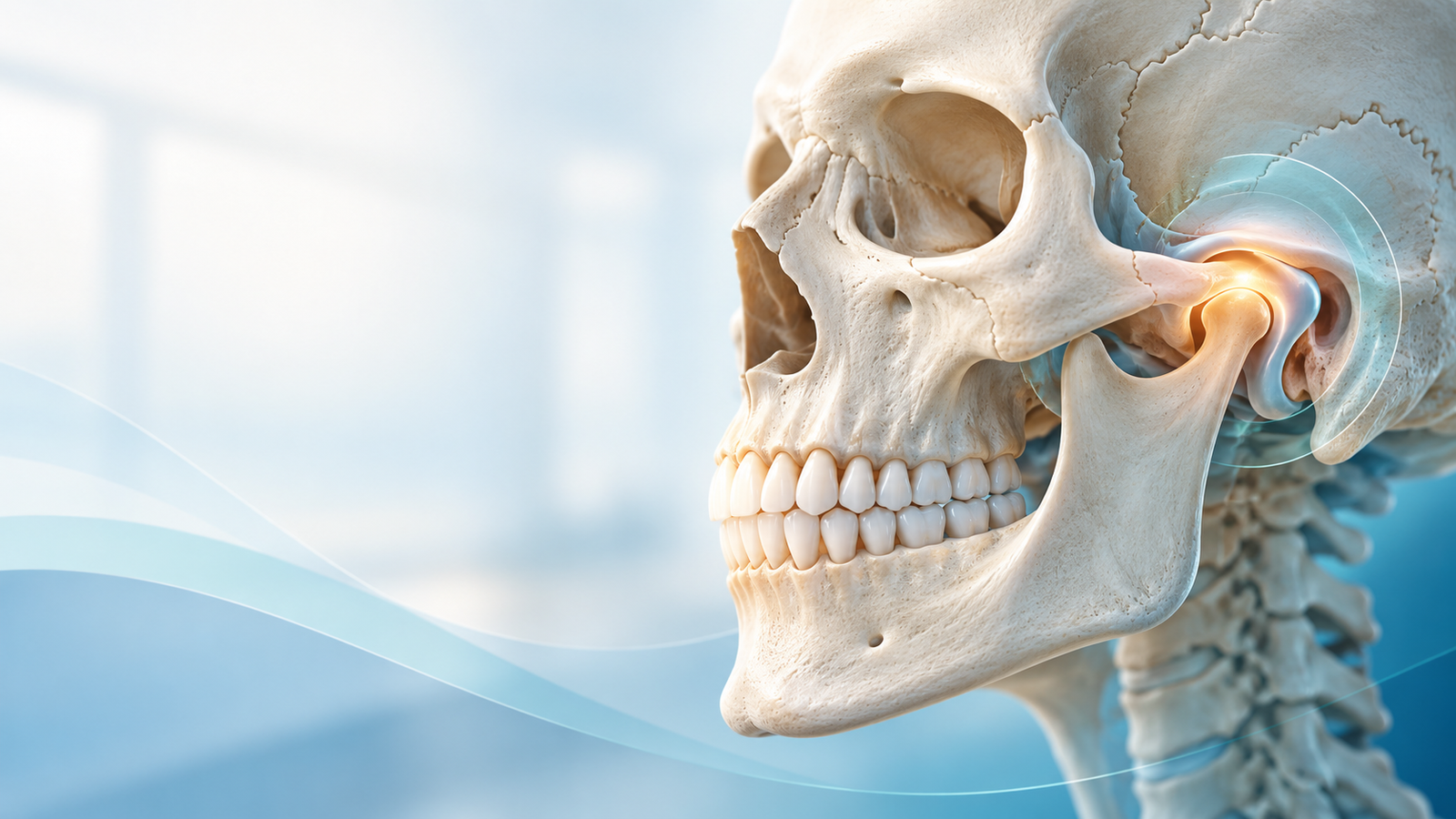
Not every jaw click is a disorder, and not every painful jaw needs an operation. The National Institute of Dental and Craniofacial Research (NIDCR) notes that painless clicking is common and that many jaw joint problems improve with simple care. If pain persists or your jaw locks, arrange an assessment.
Wisdom teeth do not always need removal
An impacted wisdom tooth may cause pain, infection or decay. Yet a wisdom tooth that causes no problems is usually monitored at routine dental visits. Your dentist may take an X-ray and refer you if the removal needs specialist care. Source: NHS
Facial injuries should not wait for routine booking
After an accident, a suspected facial fracture or significant injury needs prompt care. Maxillofacial teams treat injuries involving facial bones, teeth and soft tissue, often following an emergency assessment. Source: Royal Devon NHS
How Can Patients Across India Plan a Specialist Consultation?
If you are considering a surgeon in another city, start by telling the practice what symptoms you have and where you live. Ask whether your concern falls within its services and whether you should first see a dentist or doctor locally. If you already have scans or a referral, ask how to provide them for the appointment. Do not delay urgent local care while arranging travel.
Before making a journey, check:
- Where the in-person examination would take place
- Whether any tests should be done before the visit, if the clinician requests them
- Whether treatment, if needed, may require a separate visit
- How follow-up care would be arranged after you return home
These questions help you plan; they do not replace the surgeon’s advice about the tests or treatment you actually need.
What Should You Expect From a Treatment Discussion?
A useful consultation should leave you knowing what the clinician thinks is causing the problem and what the next steps are. Depending on the concern, this may involve a history, examination and review of previous images. Further imaging may be recommended when it helps answer a clinical question. For jaw joint disorders, the NIDCR describes the role of symptoms, examination and selected imaging in diagnosis.
Ask the surgeon to explain:
- The working diagnosis and any uncertainty
- What might happen without treatment
- The available options and why one is suggested
- The expected benefit, risks and recovery if a procedure is proposed
- Who will manage review and follow-up
For an irreversible TMJ procedure, it is reasonable to discuss alternatives and seek another specialist opinion. Source: NIDCR
Dr. Tofiq Bohra’s Practice in Mumbai
Maxillofacial Surgery India lists TMJ disorders, jaw surgery, facial injuries, cleft and craniofacial care, and oral conditions among its areas of work. The practice identifies Dr. Tofiq Bohra as a surgeon and describes a team from several specialties. Its centre is based in Mumbai.
If you are researching an oral and maxillofacial surgeon in India, you can contact the practice to ask whether it can assess your concern and how to book a consultation with Dr. Bohra. Tell the team if you are travelling from another part of India so you can discuss appointment and follow-up arrangements.
Frequently Asked Questions
1. Can an oral and maxillofacial surgeon treat jaw pain?
Yes, the specialty includes jaw joint problems. Jaw pain has several possible causes, though, and treatment depends on an assessment. Many TMJ problems do not need surgery. Sources: King’s College Hospital, NIDCR
2. Is an oral and maxillofacial surgeon the same as a dentist?
The roles overlap in oral care, but maxillofacial surgeons also assess a range of jaw and facial conditions. A dentist may manage a tooth problem directly or refer you when specialist care is needed. Sources: King’s College Hospital, NHS
3. Should I travel for a consultation after a facial injury?
Seek prompt medical attention near you for a suspected broken jaw or other significant facial injury. Emergency services can arrange specialist assessment if needed. Source: Royal Devon NHS
4. Will I need a scan before my appointment?
That depends on your condition. A clinician may review images you already have or suggest imaging after taking your history and examining you. Ask the practice before arranging any test yourself. Source: NIDCR
5. Does an impacted wisdom tooth always need surgery?
No. The need for removal depends on whether it is causing problems and what an examination shows. Wisdom teeth without problems are often monitored. Source: NHS
Looking for specialist advice? Book a consultation with Dr. Tofiq Bohra and tell his team about your concern and where you are travelling from.