
Living with jaw pain is not normal — especially when it disrupts your daily life. As a Best TMJ Specialist in Mumbai, I see many patients who ignore early symptoms until the condition becomes severe. TMJ (Temporomandibular Joint) disorders can worsen over time if left untreated, but early diagnosis makes treatment simple and highly effective.
If you’re experiencing any of the signs below, it may be time to visit a TMJ specialist near you for proper evaluation and treatment.
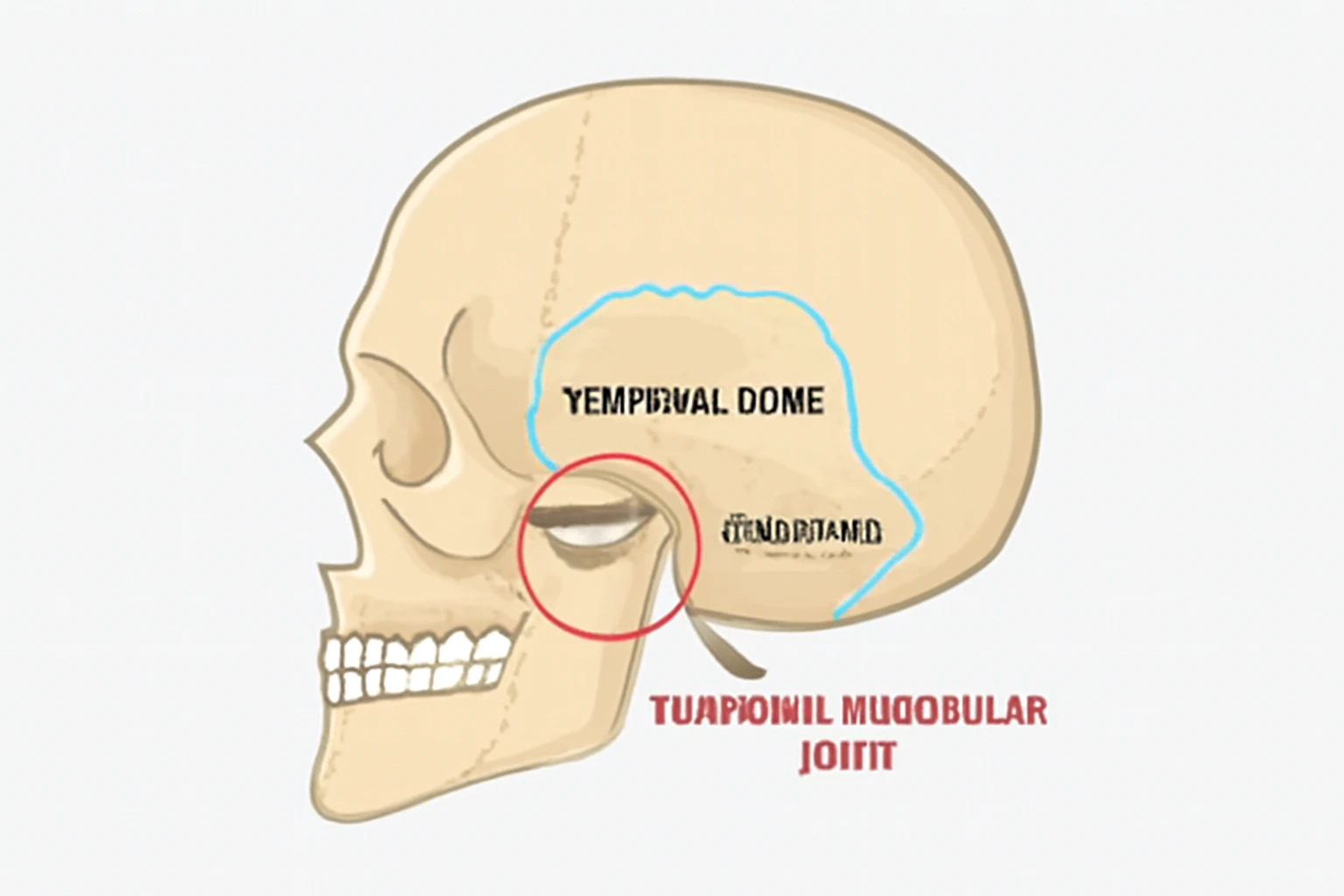
One of the earliest and most common symptoms of TMJ disorder is continuous jaw discomfort.
If you feel pain while chewing, talking, or even at rest, this is a strong indicator that your TMJ joint is inflamed.
Why it matters:
Ignoring jaw pain can lead to chronic inflammation and long-term joint damage.
Hearing unusual sounds when opening or closing your mouth is not normal.
This can mean your joint is misaligned or the disc inside the TMJ is slipping.
If the noise is accompanied by pain, consult a TMJ treatment specialist immediately.
If your jaw gets “stuck,” feels locked, or becomes difficult to move, this is a clear red flag.
Jaw locking may indicate a displaced disc — something that requires prompt attention from a maxillofacial specialist for TMJ.
Many patients with TMJ disorder come to me complaining of daily headaches or migraines.
The TMJ joint sits close to the muscles of the head, neck, and face — so when the joint is strained, headaches follow.
If your migraines haven’t responded to regular treatments, a dentist TMJ specialist may help identify the real cause.
Because the TMJ lies next to the ear canal, inflammation often leads to:
These symptoms are often misdiagnosed as ear infections, but the real issue may be TMJ dysfunction.
Chronic TMJ issues can cause muscle fatigue and facial swelling.
If you notice pain near your cheeks, temples, or jawline, especially in the mornings, you might be clenching or grinding at night.
A best TMJ specialist can help diagnose bruxism and prevent long-term damage.
If your teeth suddenly seem shorter, your bite feels “off,” or chewing becomes uncomfortable, your TMJ joint may be affected.
As a maxillofacial specialist for TMJ, I often see bite changes due to stress on the joint.
You should seek help immediately if:
Early treatment prevents complications and ensures quick recovery.
TMJ disorders are complex and require expert diagnosis.
A TMJ specialist in Mumbai like myself uses advanced imaging, clinical evaluation, and customized treatment plans to provide long-lasting relief.
Treatment may include:
TMJ symptoms should never be ignored. If you’re noticing any of the signs above, consulting a TMJ specialist near you can protect you from long-term discomfort and joint damage.
As a practicing Best TMJ Specialist in Mumbai, my goal is to help patients regain comfort, jaw mobility, and long-term oral health.
For more information, you can Contact Us and speak directly with our care team.
To know more about our journey, treatments, and patient-centric approach, visit our About Us page.
We also welcome you to explore our Website for appointments, services, and treatment updates.
Oral and Maxillofacial Surgery Center in Mumbai. TMJ Arthroscopy & Total TM Joint Replacement Surgery, USA