Which Doctor Is Best for TMJ Treatment?
- Home
- Blog
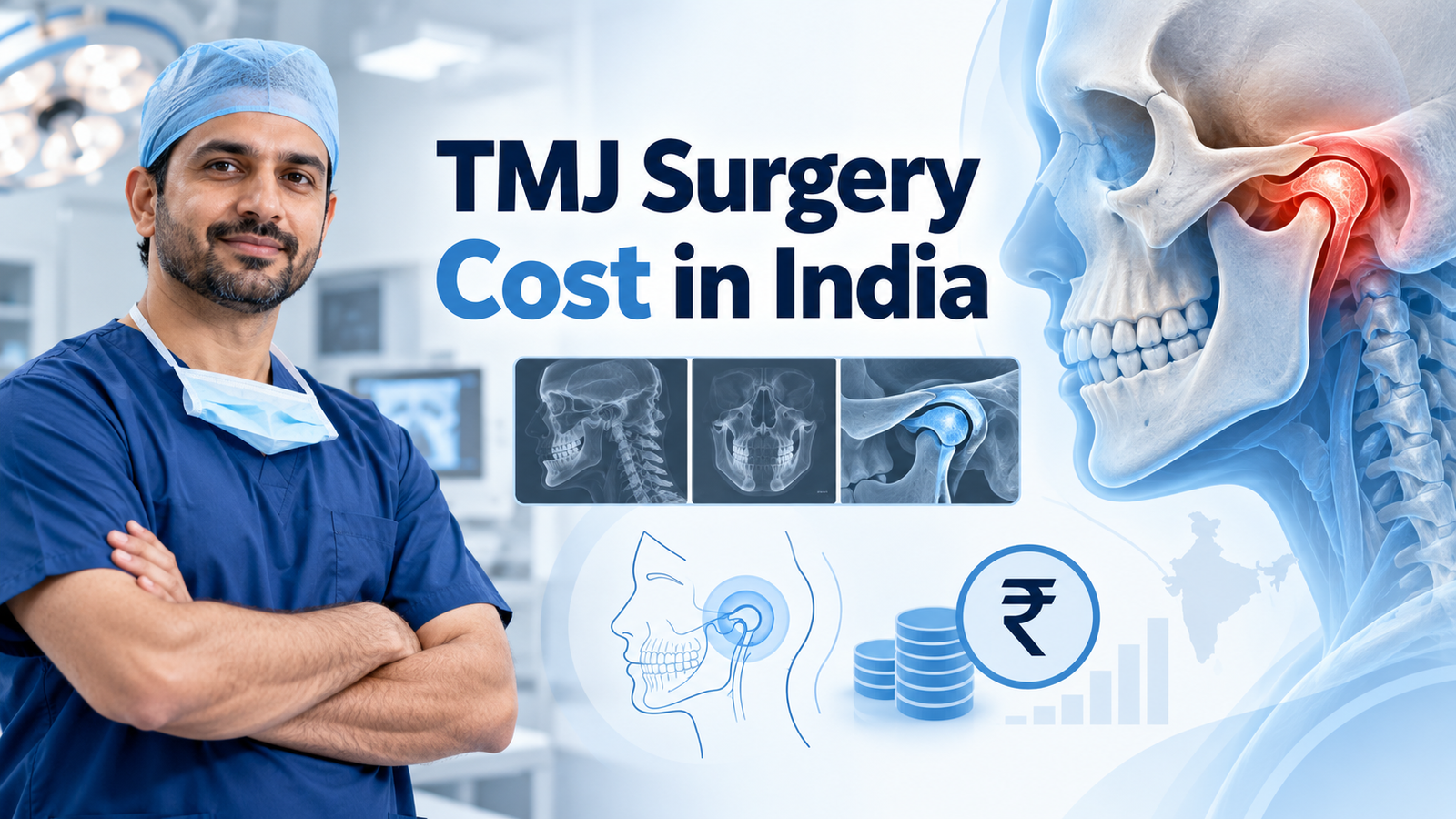
Temporomandibular joint (TMJ) disorders can cause jaw pain, clicking sounds, difficulty opening the mouth, jaw locking, and discomfort while chewing. For people experiencing persistent symptoms, understanding the TMJ surgery cost in India is an important part of planning treatment.
The cost of TMJ surgery depends on several factors, including the type of procedure, the severity of the joint condition, hospital facilities, diagnostic tests, and whether a joint replacement is required.
In this guide, Dr. Tofiq Bohra explains the factors that influence TMJ surgery costs in India, the available treatment options, and what patients should consider before choosing surgery.
What Is the Cost of TMJ Surgery in India?
The cost of TMJ surgery in India can vary considerably depending on the treatment required. Published hospital estimates suggest that some procedures may cost around ₹50,000, while more complex surgical treatments can cost several lakhs. These are indicative figures, not a fixed quotation for every patient.
For example, Paras Hospital publishes an estimated range of ₹50,000 to ₹3,50,000 for TMJ surgery, depending on the procedure and clinical complexity.
The following table provides a general overview of the procedures that may be considered.
TMJ treatment option | What it involves |
TMJ arthrocentesis | Flushing the joint to help relieve certain symptoms and improve movement |
TMJ arthroscopy | Using a small camera and specialised instruments to examine or treat the joint |
Open TMJ surgery | Surgically accessing the joint to address specific structural problems |
Total TMJ joint replacement | Replacing the joint in selected patients with severe joint damage |
The final cost depends on the treatment plan, anaesthesia, hospital stay, surgical materials, and follow-up care.
Factors That Affect TMJ Surgery Cost in India
1. Type of Surgical Procedure
The treatment approach is one of the main factors affecting the overall cost. Minimally invasive procedures and complex open surgeries involve different equipment, surgical requirements, and recovery arrangements.
Total TMJ joint replacement may involve additional expenses for the joint prosthesis, specialised planning, and hospital care.
2. Severity of the TMJ Condition
Not every TMJ disorder requires surgery. Some patients experience muscular pain or inflammation, while others may have disc displacement, restricted movement, joint degeneration, or structural damage.
The diagnosis and severity of the condition help determine the appropriate treatment and its likely cost.
3. Hospital and Location
Hospital charges vary according to location, facilities, room category, and operating theatre requirements. Treatment at a specialised centre may have a different cost structure from treatment at a government hospital or dental teaching institution.
4. Diagnostic Tests and Imaging
Depending on the patient’s condition, the surgeon may recommend clinical assessments and imaging, such as MRI or CT scans. These investigations help evaluate the joint and guide treatment planning.
Diagnostic expenses may be included in a treatment package or charged separately.
5. Anaesthesia and Hospital Stay
Some procedures may be performed as day-care treatments, while others require general anaesthesia and an overnight or longer hospital stay.
Anaesthesia fees, room charges, medicines, and postoperative monitoring can all affect the total bill.
6. Joint Replacement Materials
When a total TMJ replacement is indicated, the type of prosthesis and the complexity of the reconstruction can substantially influence the cost.
Patients should request a detailed estimate that explains whether the prosthesis, surgical fees, hospital stay, and postoperative care are included.
Is TMJ Surgery Always Necessary?
No. Surgery is not the first treatment for every TMJ disorder.
Depending on the diagnosis, initial management may include:
- Dietary changes and temporary avoidance of hard or chewy foods.
- Jaw exercises or physiotherapy under professional guidance.
- Suitable medication prescribed by a healthcare professional.
- A prescribed oral appliance when appropriate.
- Other conservative treatments based on the underlying cause.
If symptoms persist despite appropriate treatment, or if there is significant structural damage or severe restriction of jaw movement, a specialist may consider a surgical option.
The decision should be based on a proper clinical assessment rather than symptoms or cost alone.
What Are the Benefits of TMJ Surgery?
For appropriately selected patients, TMJ surgery may help address specific joint problems and improve jaw function.
Potential benefits depend on the underlying condition and the procedure performed. They may include:
- Improved ability to open and move the mouth.
- Reduced pain associated with the treated joint problem.
- Improved ability to chew and perform daily activities.
- Treatment of certain structural abnormalities.
- Reconstruction of a severely damaged joint when replacement is indicated.
However, outcomes vary between patients. Surgery also carries risks, including infection, bleeding, nerve injury, persistent symptoms, and the possibility of further treatment.
A specialist should explain the expected benefits and risks for each individual case.
How to Prepare for TMJ Surgery
Before proceeding with surgery, patients should understand their diagnosis, treatment alternatives, estimated expenses, and recovery requirements.
Consider the following steps:
- Consult an experienced specialist: Seek an assessment from an oral and maxillofacial surgeon with relevant TMJ experience.
- Complete recommended investigations: Bring previous reports and undergo any additional tests recommended for your condition.
- Discuss treatment alternatives: Ask whether conservative management or a less invasive procedure may be appropriate.
- Request an itemised cost estimate: Confirm the surgeon’s fees, anaesthesia, hospital charges, implants, medicines, and follow-up costs.
- Understand the recovery plan: Ask about dietary restrictions, physiotherapy, time away from work, and follow-up appointments.
Patients should also check their health insurance policy for coverage, exclusions, waiting periods, and pre-authorisation requirements.
Why Consult a TMJ Specialist?
TMJ disorders can have different causes, and similar symptoms do not always require the same treatment. An accurate diagnosis is important to avoid unnecessary procedures and develop an appropriate management plan.
Dr. Tofiq Bohra is an oral and maxillofacial surgeon whose clinical expertise includes TMJ disorders, TMJ arthroscopy, and total TMJ joint replacement. His professional profile lists specialised training in TMJ arthroscopy and joint replacement at the University of Maryland, USA.
Patients considering surgery should discuss their symptoms, investigations, available treatment options, expected outcomes, and individual cost estimate during consultation.
Frequently Asked Questions
1. What is the average TMJ surgery cost in India?
There is no single average cost that applies to every patient. Published estimates range from tens of thousands of rupees to several lakhs, depending on the procedure, hospital, and clinical complexity. A specialist consultation is needed for a personalised estimate.
2. Is TMJ surgery expensive in India?
The expense depends on the treatment required. A less invasive procedure may cost considerably less than open surgery or total joint replacement. Hospital charges, anaesthesia, implants, and recovery care can also affect the final amount.
3. Does health insurance cover TMJ surgery?
Coverage depends on your insurer, policy terms, medical indication, and the procedure being performed. Confirm eligibility, exclusions, and pre-authorisation requirements directly with your insurer and hospital.
4. How long does recovery from TMJ surgery take?
Recovery varies according to the procedure and the patient’s condition. Some minimally invasive procedures may involve a shorter recovery, while open surgery and joint replacement generally require more extensive postoperative care and rehabilitation.
Your surgeon will provide an individual recovery plan.
5. Can TMJ problems be treated without surgery?
Yes. Many TMJ conditions can initially be managed with conservative treatments, including dietary changes, physiotherapy, medication when appropriate, and selected oral appliances. Surgery is considered when the diagnosis and clinical circumstances justify it.
6. How can I get an accurate TMJ surgery cost estimate?
Arrange a consultation with an appropriately qualified specialist. The estimate should be based on your diagnosis, recommended procedure, imaging, hospital requirements, and any implants or additional treatment needed.
Conclusion
The TMJ surgery cost in India depends on the type of procedure, severity of the joint problem, hospital facilities, and individual treatment requirements. While published estimates can help patients plan financially, the actual cost can only be determined after a clinical evaluation and a clear treatment plan.
If you are experiencing persistent jaw pain, locking, restricted mouth opening, or difficulty chewing, consider consulting an oral and maxillofacial surgeon to understand the cause and available treatment options.
Consult Dr. Tofiq Bohra to discuss TMJ-related symptoms, appropriate treatment options, and the factors that may influence your surgical cost.
Medical disclaimer: This article is for educational purposes only and does not replace professional medical advice, diagnosis, or treatment. Treatment decisions and cost estimates should be based on an individual clinical assessment.